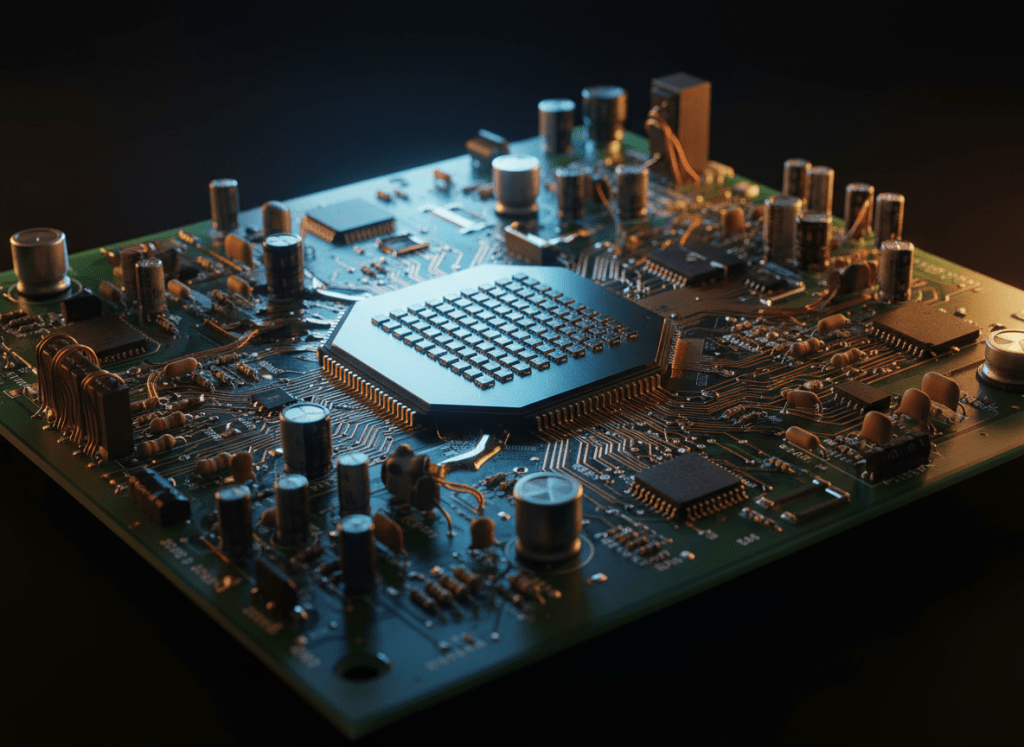
IBM Assembler was designed for a computing environment very different from today’s AI systems. Yet the engineering habits developed through low-level programming remain valuable: understand the machine, manage resources carefully, debug systematically, and design for reliability.
What IBM Assembler Teaches Engineers
- How software interacts with hardware and system resources
- How memory and performance constraints affect design
- How to trace complex failures
- How to reason about execution rather than relying on abstraction alone
- How operational reliability affects software design
What Changes When Moving to AI
Modern AI adds new concepts such as machine learning, model inference, data pipelines, embeddings, large language models, evaluation, and probabilistic outputs. The tools change, but many underlying engineering questions remain familiar.
Skills That Transfer Directly
Systems thinking, resource optimization, performance analysis, debugging, and reliability engineering can all transfer to AI application development. These skills help engineers understand what happens around the model rather than treating the model as an isolated component.
A Practical Path From Assembler to AI
- Learn Python and modern development workflows.
- Understand APIs and data pipelines.
- Learn machine-learning fundamentals.
- Experiment with large language models and AI APIs.
- Learn evaluation, testing, and monitoring.
- Apply systems-engineering discipline to production AI.
Why the Old Skills Still Matter
AI does not eliminate the need for good engineering. As AI systems become part of production applications, understanding performance, resource usage, failure modes, and system behavior becomes increasingly important.
 4realsy
Leave a comment